
Making Connections
Ropework Across the Pacific

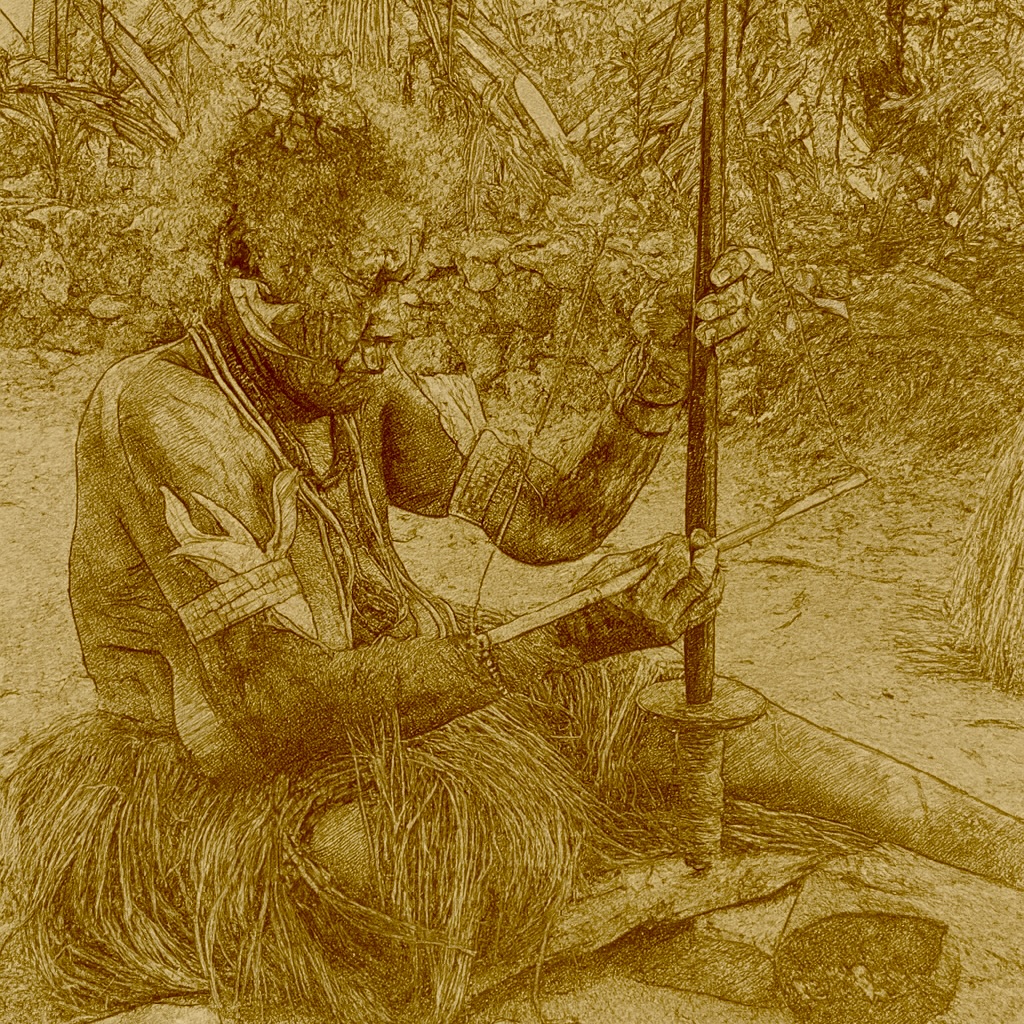
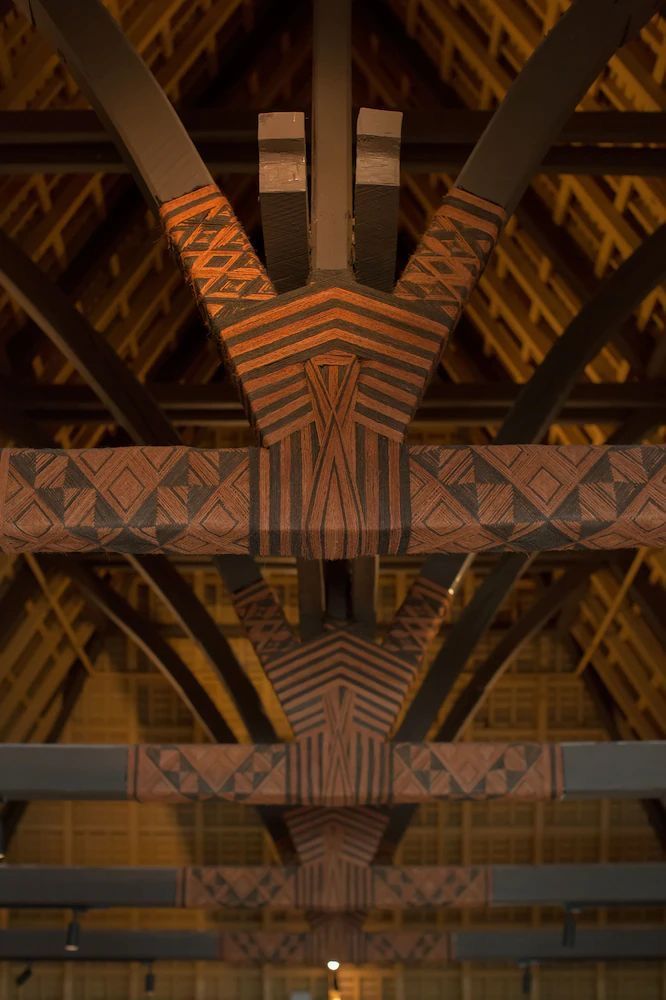
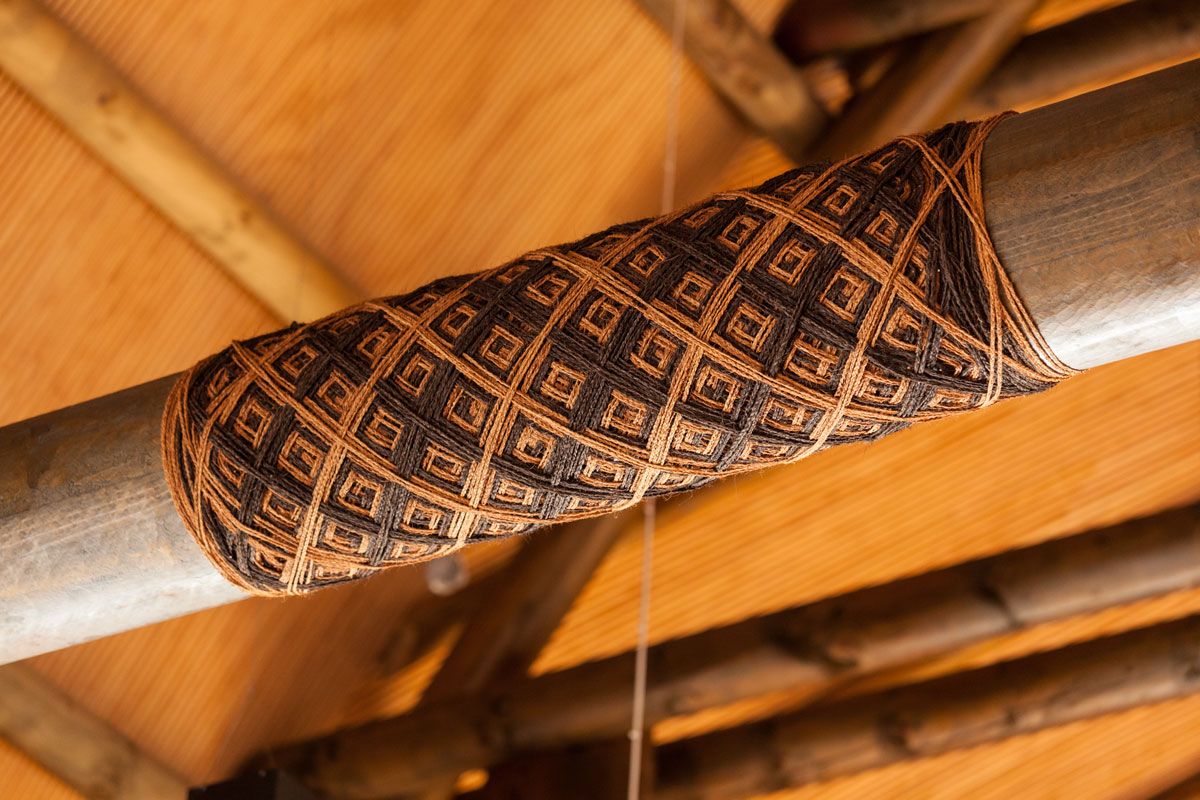
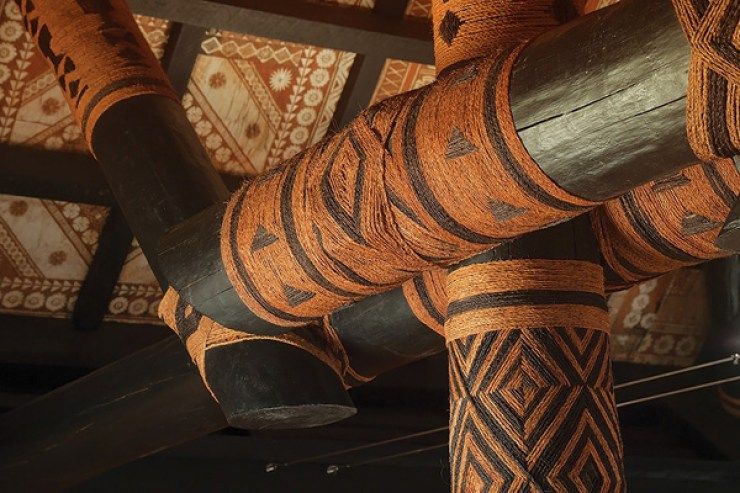
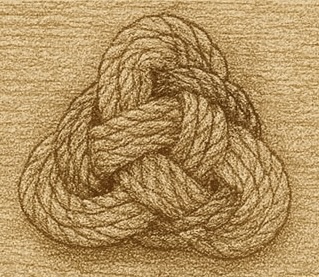
Knots and Lashings across Pacific cultures

Across the vast Pacific, knots and lashings were never merely technical solutions; they were cultural acts charged with meaning. Lashing could be an act of protection, consecration, memory, or obligation. Rope was not simply cordage—it was continuity, lineage, and relationship. Each island culture infused its lashing traditions with metaphors and ceremonies that affirmed social bonds and spiritual order.
While customs varied widely among Polynesia, Micronesia, and Melanesia, several themes emerge: knotting as creation, knotting as protection, knotting as agreement, and knotting as identity.
1. Binding as Creation and World-Order
In many Pacific cosmologies, the world comes into being through acts of tying, weaving, or joining.
Polynesia
- In Hawaiʻi, the art of kaka‘a (binding) and huki (lashing) carried echoes of divine craftsmanship. Canoe lashing was sometimes accompanied by chants comparing the joining of planks to the joining of islands themselves.
- In Māori tradition, whatu (weaving and knotting) is a creative, even generative force; the tightly bound tukutuku panels and fiberwork in meeting houses symbolically “bind” the community to their forefathers
Micronesia
- In parts of Yap and Chuuk, the construction of a canoe was likened to the assembling of the cosmos. The lashings that held the hull together paralleled mythic acts of joining sky and sea. Certain knots were performed only by senior builders, whose authority stemmed from the lineage of navigators who “bound” islands together through voyaging routes.
Melanesia
- In the Solomon Islands, the sewing of planks in war canoes sometimes included prayers or clan invocations. The act of binding the hull was described as assembling a living being—one whose “sinews” were the sennit cords.
Across the region, tightly made lashings symbolized the ideal social condition—ordered, harmonious, and resilient.
2. Knotting for Protection and Sacred Restriction
Knots often carried the power of protection, containing spiritual energy or warding off harmful forces.
Protection in Canoe Building
- In Western Polynesia (Tonga, Samoa), the final lashings on the keel or outrigger were sometimes completed in silence or accompanied by whispered blessings. These were “closing” bindings that sealed the canoe from misfortune.
- In Kiribati, lashings on the outrigger booms could be ritually inspected by elder fishermen, who declared the canoe spiritually safe (bon wina, “with blessing”).
Knots thus served as gateways to sacred understanding.
3. Knotting as Social Bond and Agreement
Binding also appears throughout the Pacific as a metaphor
—and occasionally literal act—of agreement, peace, or partnership.
Marriage and Alliances
In several regions:
- Polynesia: Marriage could be symbolically described as “the tying of two houses together.” In some areas of Tahiti and Samoa, cords or braided mats were exchanged or joined as part of rites sealing kinship ties.
- Micronesia: In the Marshall Islands and parts of Kiribati, knots in girdles or belts were tied or untied during negotiations for marriage.
Conflict Resolution
In parts of Melanesia:
- Among certain groups in the Solomon Islands and Papua New Guinea, peace agreements were symbolized by the binding of items—such as tying a pig’s forelegs or binding palm leaves—representing the sealing of hostilities.
Canoe Partnerships
In Micronesian voyaging societies, the lashings connecting outrigger to hull were sometimes likened to the alliance between navigator and community. During major voyages, the master navigator might perform a small tightening of a lashing as a public act symbolizing commitment.
Lashing created social fabric as much as structural strength.
4. Knots as Markers of Identity and Status
In a world where objects were often ephemeral and fiberwork ubiquitous, knots could communicate social meaning.
Ceremonial Regalia
- Feathered and fiber ornaments in Hawaiʻi, Fiji, and Samoa often included specialized knots whose complexity signaled rank. The careful binding of plume bundles or sennit breastplates was a mark of expert artisanship.
- In Santa Cruz and Tikopia, ritual objects were bound into precise forms using decorative lashings that identified clan or status.
House Construction
- The lashings in traditional Māori meeting houses, the rafter bindings in Samoan fale, and the sennit patterning in Kiribati maneaba all carried symbolic geometries expressing ancestry, unity, and communal identity.
Voyaging Guilds
- In regions like Puluwat, Satawal, and Yap, mastery of navigation included mastery of rope, knots, and lashing. Ropework skill was a badge of training, and certain knot types were associated with master navigators.
5. Ritual Chants, Invocations, and the Act of Lashing
Lashing was frequently accompanied by spoken or sung reminders.
- Hawaiian canoe lashing chants (oli kaula) invoked the energy of the cord were made to strengthen the vessel.
- Micronesian master builders often recited navigation lineage histories or ancestral praises while binding structural elements.
- In many Melanesian contexts, lashings were done in rhythmic sequences, sometimes guided by song, reinforcing communal cooperation.
The spoken word and the tightening cord were believed to work together, binding not only materials but intentions.
6. Unbinding: Release, Mourning, and Transition
In the Pacific, untying could be as meaningful as tying.
- Kiribati and the Marshalls used the untying of knots in belts or mats to symbolize releasing grief or letting a soul depart.
- In Fiji, ceremonial unbinding marked the conclusion of mortuary rites or the end of a period of taboo.
- In Polynesia, the loosening of a ritual cord could signify transition—an adolescent entering adulthood, a voyager departing, or a house passing from one generation to another.
Conclusion: A Pacific Philosophy of Connection
Across the Pacific, knots and lashings served as more than utilitarian techniques: they were expressions of relationship, identity, cosmos, and care.
Where Western rope work often focuses on mechanical efficiency, Pacific rope work integrates function and meaning. A lashing is a promise; a knot is a memory; a rope is a lineage.
To understand Pacific civilizations deeply, one must look as much at what holds things together as at the things themselves.
